
1st

The Battle of Toro was part of the War of the Castilian Succession, fought on 1 March 1476, near the city of Toro, between the Castilian-Aragonese troops of the Catholic Monarchs and the Portuguese-Castilian forces of Afonso V and Prince John of Portugal. The battle was inconclusive but, it was a major political victory for the Catholic Monarchs by assuring to Isabella the throne of Castile.
2nd


The Battle of Grandson was fought on 2 March 1476, during the Burgundian Wars, and resulted in a major defeat for Charles the Bold, Duke of Burgundy, at the hands of the Old Swiss Confederacy. The images show, from left to right, the executiuon of the Swiss prisoners after the fall of the town on 28 Feb, the battle of Grandson and the Swiss plunderign the Burgundian camp.
3rd
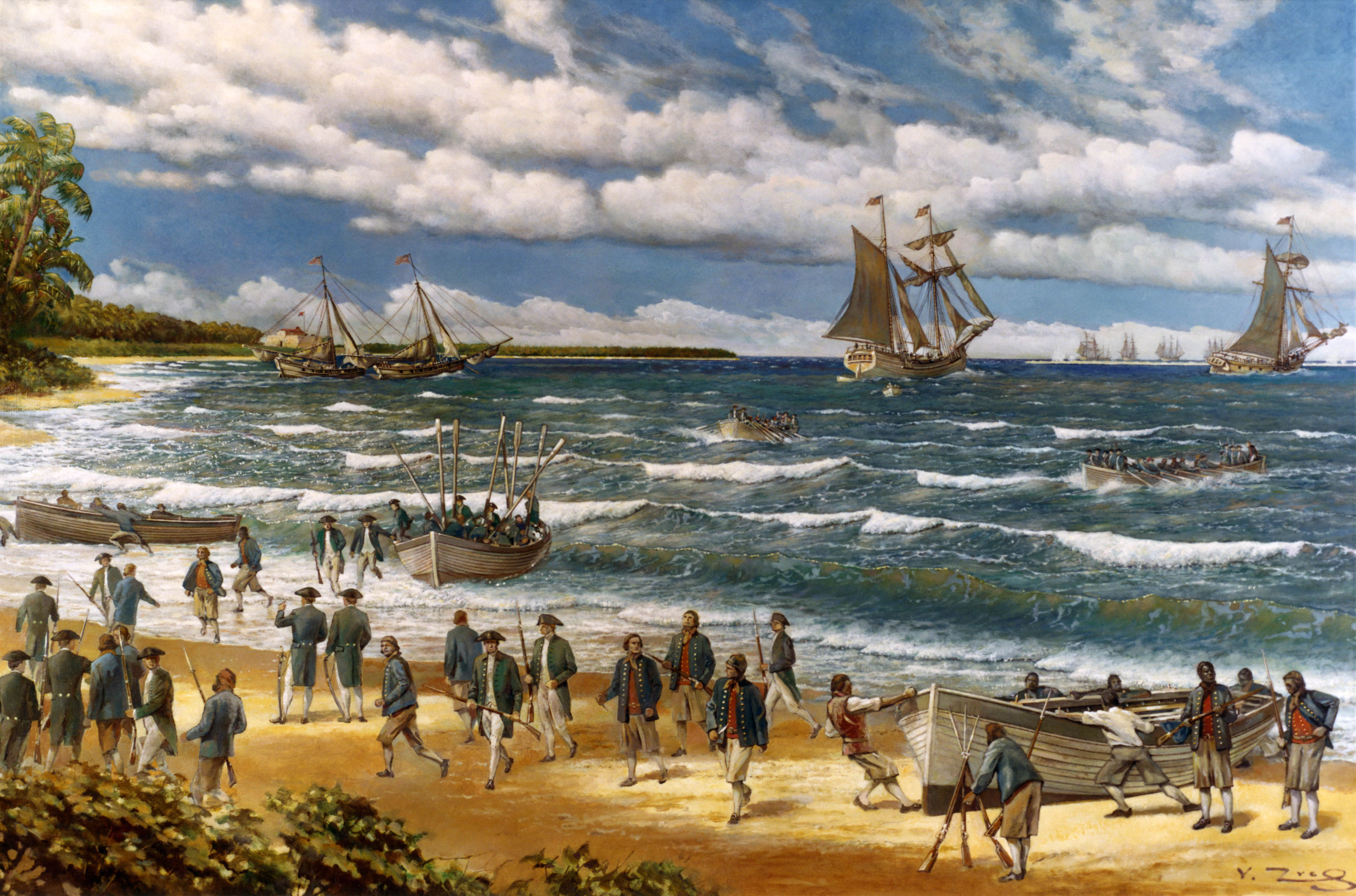
The Raid of Nassau (March 3–4, 1776) was a naval operation and amphibious assault by American forces against the British port of Nassau, Bahamas, during the American Revolutionary War. The first amphibious landing by the US Marines. A partially successful attempt to seize stores of gunpowder.

The town of Broome, Western Australia, was attacked by Japanese fighter planes on 3 March 1942, during World War II. At least 88 civilians and Allied military personnel were killed in straffing attackson the flying boat anchorage and airfield. Lt Zenjiro Miyano, the commander of Dai 3 Kōkūtai (3rd Air Group) of the Imperial Japanese Navy Air Service—led nine Mitsubishi A6M2 Zero fighters and a Mitsubishi C5M2 reconnaissance plane from their base at Kupang, Timor in the attack,
4th

1941 – Operation Claymore was a British/Norwegian commando raid on the Lofoten Islands of northern Norway during the Second World War. The Lofoten Islands were an important centre for the production of fish oil and glycerine, used in the German war economy. The landings were carried out on 4 March 1941, by 500 men of No. 3 Commando, No. 4 Commando, and a Royal Engineers section, and 52 men from Norwegian Independent Company 1. Supported by the 6th Destroyer Flotilla and two troop transports of the Royal Navy.
5th

1811 – Battle of Barossa, also known as the Battle of Chiclana or Battle of Cerro del Puerco) was part of an unsuccessful manoeuvre by an Anglo-Iberian force to break the French siege of Cádiz during the Peninsular War. During the battle, a single British division defeated two French divisions and captured a regimental eagle. The training area behind RMA Sandhurst is called Barossa Common, allegedly because the Surrey countryside reminded some of the Peninsular veteran instructors of Barossa.

1944 – The Uman–Botoșani/Botoshany offensive was a part of the Dnieper–Carpathian offensive, carried out by the Red Army in the western Ukrainian Soviet Socialist Republic against the German 8th Army of Army Group South during World War II. Led by Marshal of the Soviet Union Ivan Konev, it became one of the most successful Red Army operations of the whole war. In over a month of combat through the deep spring mud and numerous water barriers, the 2nd Ukrainian Front advanced over 300 kilometres (190 mi), cleared German forces from southwestern Ukraine, and entered Romania and Moldova.
6th

1204 – The end of the siege of Château Gaillard. This was a part of Philip II’s campaign to conquer John, King of England’s continental properties. The French king besieged Château Gaillard, a Norman fortress, for six months. The Anglo-Normans were beaten in the battle and the consequence was the fall of Normandy.
7th

1799 – Jaffa falls to the French army under Napoleon Bonaparte defended by Ottoman forces under Ahmed al-Jazzar. On the 3 of March, 1799, the French laid siege to the city of Jaffa, which was under Ottoman control. It was fought from 3 to 7 March 1799. On the 7 March, French forces managed to capture the city. Between 2,000 and 4,000 defenders, mainly Albanian, are executed.

The Battle of Craonne (7 March 1814), between an Imperial French army under Emperor Napoleon I opposing a combined army of Imperial Russians and Prussians led by Prussian Field Marshal Gebhard Leberecht von Blücher. A French tactical victory at heavy cost .

The Ludendorff Bridge (sometimes referred to as the Bridge at Remagen) across the river Rhine in Germany was captured by United States Army forces om 7th March 1945.
8th
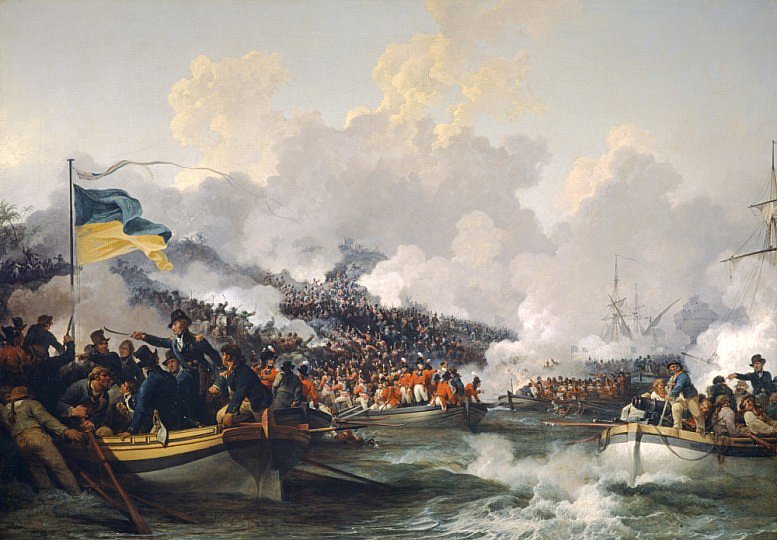
The Battle of Abukir of 8 March 1801 was the second pitched battle of the French campaign in Egypt and Syria to be fought at Abu Qir on the Mediterranean coast, near the Nile Delta.The skirmish was a prelude to the Battle of Alexandria and resulted in British losses of 730 killed and wounded or missing. The French withdrew, losing at least 300 dead or wounded and eight pieces of cannon
9th
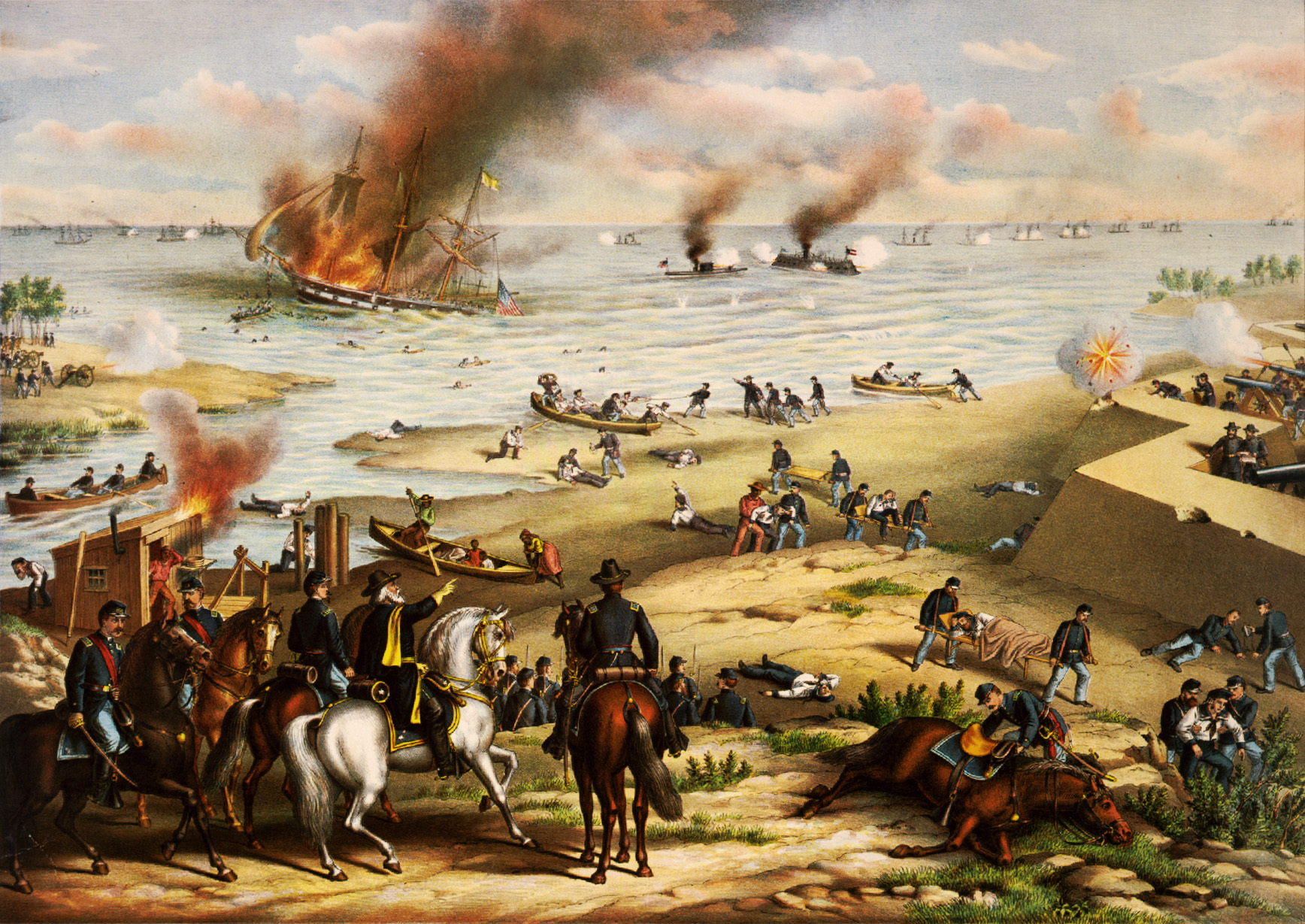
The Battle of Hampton Roads, also referred to as the Battle of the Monitor and Merrimack (rebuilt and renamed as the CSS Virginia) or the Battle of Ironclads, was a naval battle during the American Civil War. It was the first battle between two ironclad ships – and inconclusive.
10th

On the night of 9–10 March 1945, 334 B-29s took off to raid with 279 of them dropping 1,665 tons of bombs on Tokyo. The bombs were mostly the 500-pound (230 kg) E-46 cluster bomb which released 38 napalm-carrying M-69 incendiary bomblets at an altitude of 2,000–2,500 ft (610–760 m). Approximately 15.8 square miles (4,090 ha) of the city were destroyed and some 100,000 people are estimated to have died.
11th

The Battle of Laon (9–10 March 1814) was the victory of Blücher’s Prussian army over Napoleon’s French army near Laon. Arguably the turning point in Allied fortunes, ending Napoleon’s resurgence in 1814.

The Battle of Ban Me Thuot was a decisive battle of the Vietnam War which led to the complete destruction of South Vietnam’s II Corps Tactical Zone. The battle was part of a larger North Vietnamese military operation known as Campaign 275 to capture the Tay Nguyen region, known in the West as the Vietnamese Central Highlands.
11th

The Battle of Castagnaro was fought on 11 March 1387 at Castagnaro (today’s Veneto, northern Italy) between Verona and Padua. It is one of the most famous battles of the Italian condottieri age. The army of Verona was led by Giovanni Ordelaffi and Ostasio II da Polenta, while the victorious Paduans were commanded by John Hawkwood (Giovanni Acuto) and Francesco Novello da Carrara, the son of Francesco I, lord of Padua.

11 March 1917 marked the fall of Bagdad to the British during the Mesopotamia Campaign against the Ottoman Empire in the First World War.
12th

Start of the seige of Maastricht in the Eighty Years’ War. The seige lasted from March 12 – July 1, 1579. The Spanish were victorious.
13th

The Battle of Oosterweel took place on 13 March 1567 near the village of Oosterweel [nl], near Antwerp, in present-day Belgium, and is traditionally seen as the beginning of the Eighty Years’ War. A Spanish mercenary army surprised a band of rebels and killed or captured almost all of them.
14th

The Battle of Ivry was fought on 14 March 1590, during the French Wars of Religion. A decisive victory for Henry IV of France, leading French royal and English forces against the Catholic League by the Duc de Mayenne and Spanish forces under the Count of Egmont. Henry’s forces were victorious and he went on to lay siege to Paris.
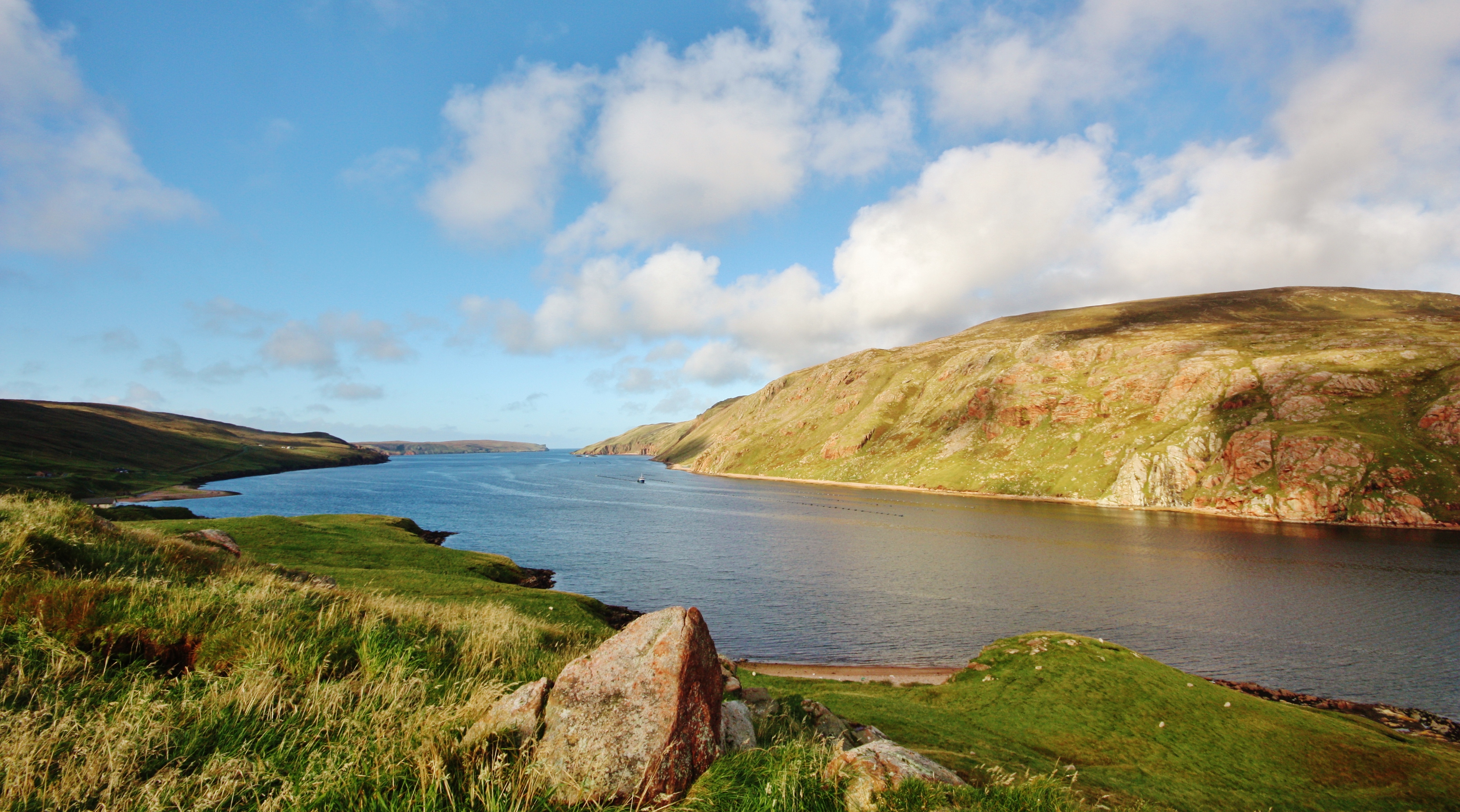
On 14 March 1674 the Dutch East India ship Wapen van Rotterdam, sheltering after storm damage in the Ronas Voe was engaged by three English Men of War qand captured, as part of the Third Anglo-Dutch War. Having occurred 23 days after the signing of the Treaty of Westminster, it is likely to have been the final battle of the Third Anglo-Dutch War.

14March 1945: First use of the Grand Slam bomb by the RAF against the Bielefeld viaduct
15th

The Battle of Halmyros, known by earlier scholars as the Battle of the Cephissus or Battle of Orchomenos,[was fought on 15 March 1311, between the forces of the Frankish Duchy of Athens and its vassals under Walter of Brienne against the mercenaries of the Catalan Company, resulting in a decisive victory for the mercenaries – and leading to decades of Spanish rule over Greece.
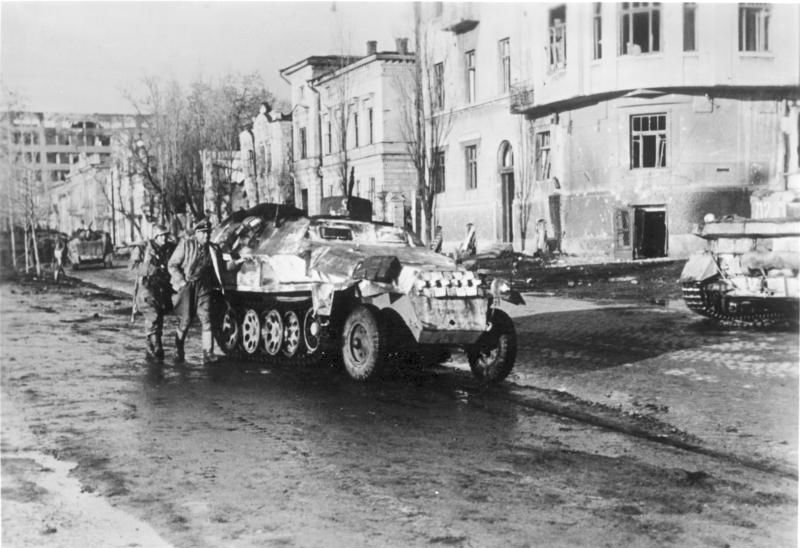
15 March 1943, marks the end of the The Third Battle of Kharkov, a series of battles on the Eastern Front of World War II, undertaken by Army Group South of Nazi Germany against the Soviet Red Army, around the city of Kharkov between 19 February and 15 March 1943. The German counterstrike led to the recapture of the cities of Kharkov and Belgorod.
16th
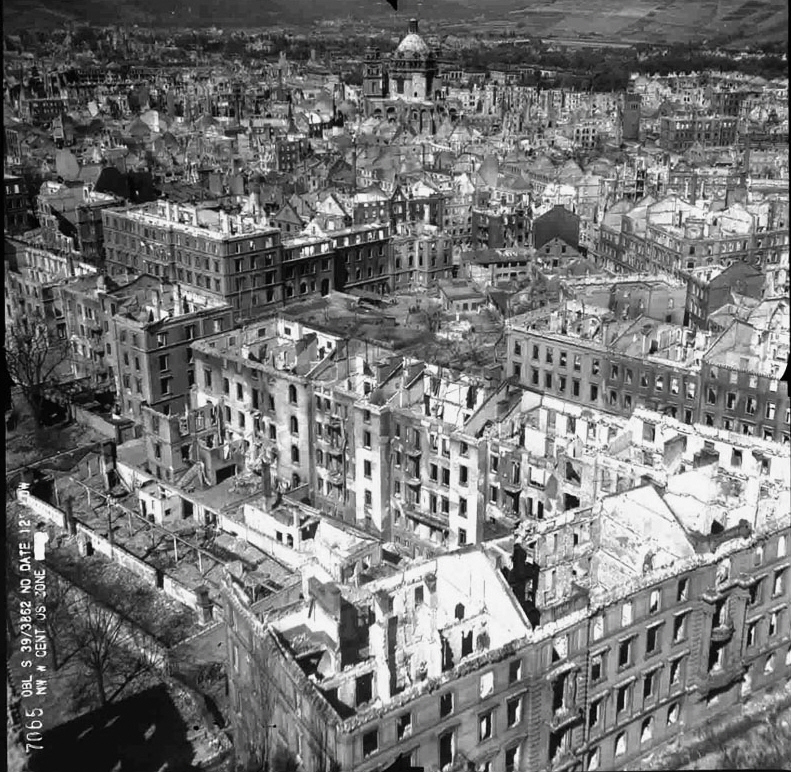
16 March 1945: 21:00 hours 225 Lancaster and 11 Mosquito bombers from RAF Bomber Command lays waste to Wurzburg in a raid lasting 20 minutes that destroys 90% of its buildings.

The Mỹ Lai massacre was the mass murder of unarmed South Vietnamese civilians by United States troops in Sơn Tịnh district, South Vietnam, on 16 March 1968 during the Vietnam War.
17th

The Battle of Munda (17 March 45 BC), in southern Hispania Ulterior, was the final battle of Caesar’s civil war against the leaders of the Optimates, This victory and the deaths of Titus Labienus and Gnaeus Pompeius (eldest son of Pompey), Caesar was politically able to return in triumph to Rome, and then govern as the elected Roman dictator.

1942 – Holocaust: The first Jews from the Lvov Ghetto are gassed at the Belzec death camp in what is today eastern Poland.
18th

1793: A Coalition army of the Habsburg monarchy together with a small contingent of allied Dutch Republic troops repulsed all French assaults after bitter fighting and Dumouriez conceded defeat, withdrawing from the field. The French position in the Austrian Netherlands swiftly collapsed, ending the threat to the Dutch Republic and allowing Austria to regain control of its lost province. The War of the First Coalition engagement was fought at Neerwinden, located 57 kilometres (35 miles) east of Brussels in present-day Belgium.
19th

The Battle of Bentonville (March 19–21, 1865) was fought in Johnston County, North Carolina, near the village of Bentonville, as part of the Western Theater of the American Civil War. It was the last battle between the armies of Union Maj. Gen. William T. Sherman and Confederate Gen. Joseph E. Johnston.
20th

The Donegall Street bombing took place in Belfast, Northern Ireland on 20 March 1972 when, just before noon, the Provisional IRA detonated a car bomb in Lower Donegall Street in the city centre when the street was crowded with shoppers, office workers, and many schoolchildren. This was the first PIRA car bomb in Belfast.
21st

Operation Michael (German: Unternehmen Michael) was a major German military offensive during the First World War that began the German Spring Offensive on 21 March 1918.
22nd

The Second Battle of Sirte (on 22 March 1942) was a naval engagement in the Mediterranean Sea, north of the Gulf of Sidra and southeast of Malta, during the Second World War. The escorting warships of a British convoy to Malta held off a much more powerful squadron of the Regia Marina (Italian Navy).
23rd

The Slovak–Hungarian War, or Little War (Hungarian: Kis háború, Slovak: Malá vojna), was a war fought from 23 March to 31 March 1939 between the First Slovak Republic and Hungary in eastern Slovakia.
24th
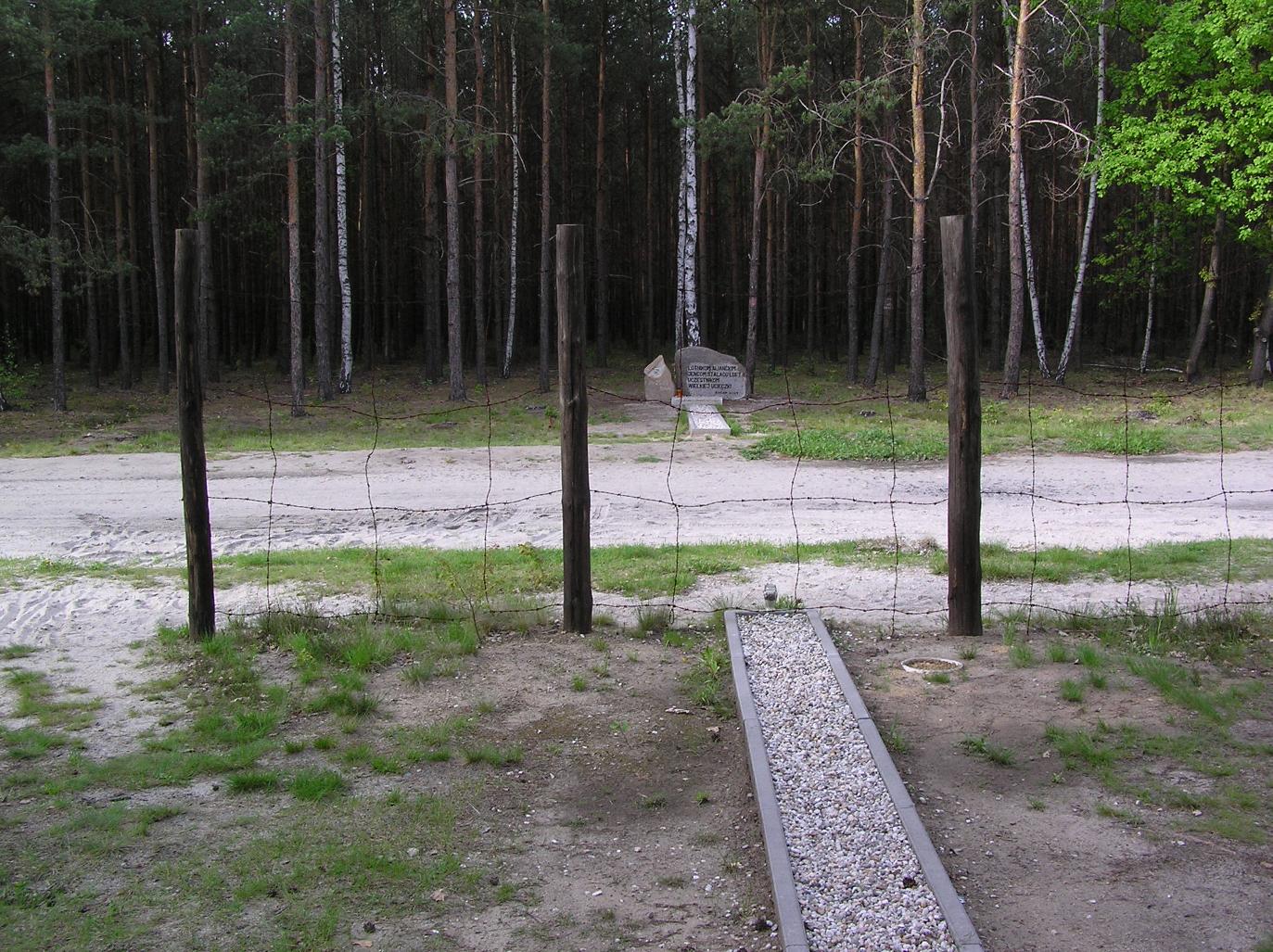
24 March 1844 – The second breakout — the so-called Great Escape from StalagLuft III. A heavily fictionalised version of the escape was depicted in the film The Great Escape (1963), which was based on a book by former prisoner Paul Brickhill.
25th

2018 – Syrian civil war: Following the completion of the Afrin offensive, the Syrian Democratic Forces (SDF) initiate an insurgency against the Turkish occupation of the Afrin District.
26th

1917 – World War I: First Battle of Gaza: British troops are halted after 17,000 Turks block their advance.
27th

1886 – Geronimo, Apache warrior, surrenders to the U.S. Army, ending the main phase of the Apache Wars.
28th

1942 – The St Nazaire Raid or Operation Chariot was a British amphibious attack on the heavily defended Normandie dry dock at St Nazaire in German-occupied France during the Second World War. The operation was undertaken by the Royal Navy (RN) and British Commandos under the auspices of Combined Operations Headquarters on 28 March 1942. St Nazaire was targeted because the loss of its dry dock would force any large German warship in need of repairs, such as Tirpitz, sister ship of Bismarck, to return to home waters by running the gauntlet of the Home Fleet of the Royal Navy and other British forces, via the English Channel or the North Sea.
29th

1461 – – Battle of Towton: Edward of York defeats Queen Margaret to become King Edward IV of England, bringing a temporary stop to the Wars of the Roses.
30th
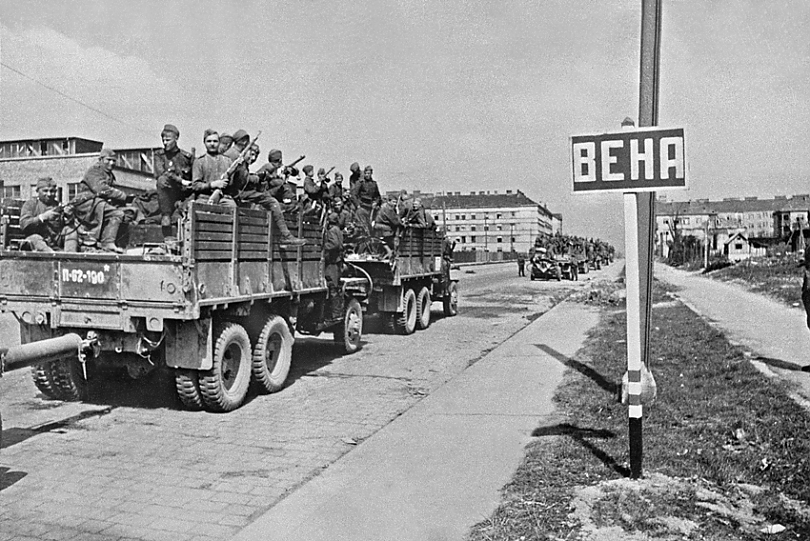
1945 – World War II: Soviet forces invade Austria and capture Vienna.

30/31 March 1944: 795 RAF bombers: 572 Lancaster, 214 Halifax, 9 Mosquitos, drop 910 tons high-explosive, 1176 t incendiary bombs. The attackers suffered heavy losses: 95 bombers were shot down. In Nuremberg the attack was classified as “moderately severe”, further damage in the eastern neighboring towns (Röthenbach an der Pegnitz, Behringersdorf, Lauf an der Pegnitz). In Nuremberg: 74 casualties and 122 injured; 130 destroyed, 879 moderately damaged buildings and 2505 with minor damages.